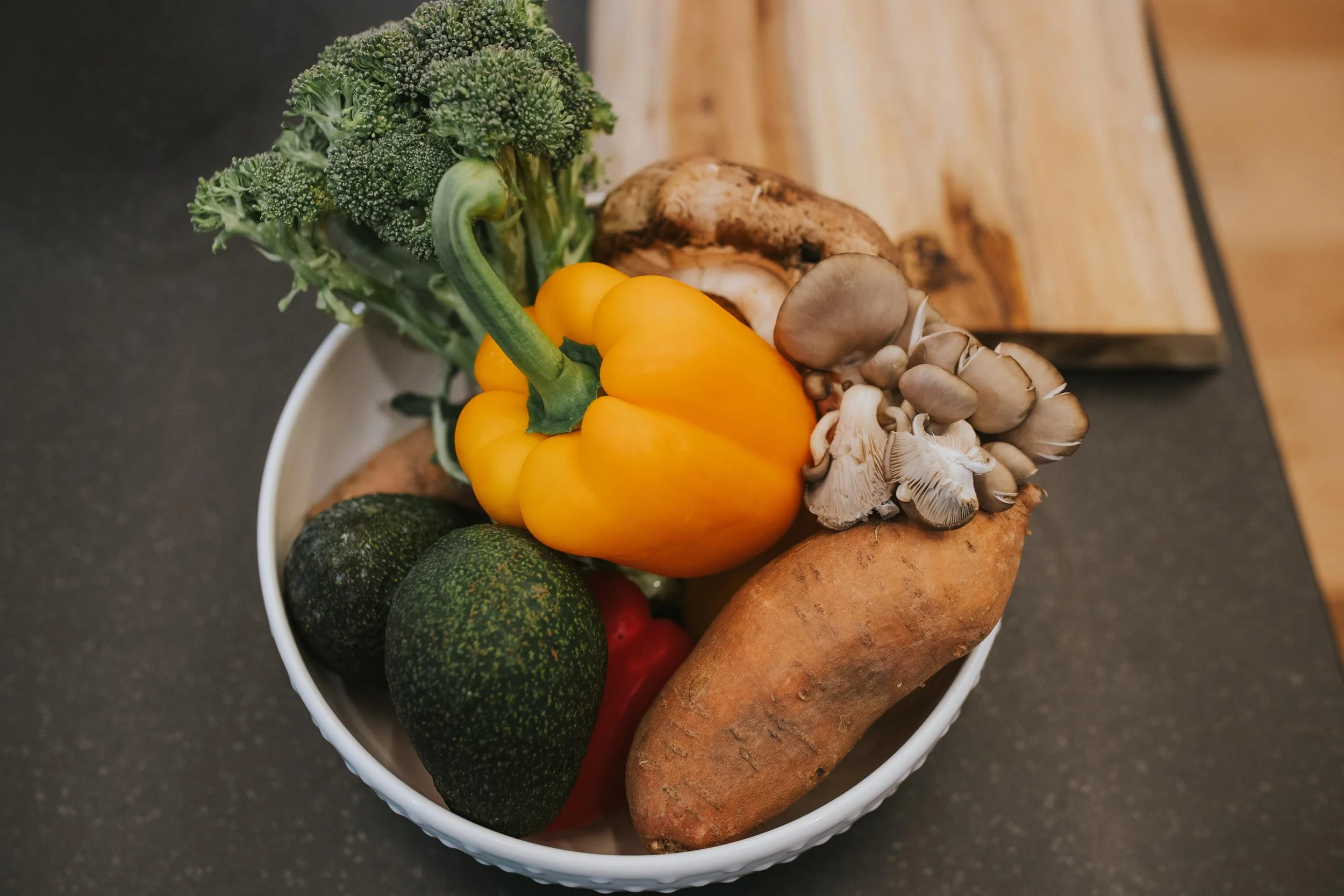
Glycemic Load (GL) is a measure that builds on the concept of the Glycemic Index (GI) by taking into account the amount of carbohydrate in a serving of food, as well as how quickly it raises blood glucose levels. In essence, while the Glycemic Index gives you an idea of how quickly a food's carbohydrates are converted into glucose, Glycemic Load provides a more accurate picture by considering both the quality and quantity of the carbohydrates consumed.
How Glycemic Load is Calculated
The formula for calculating Glycemic Load is:
GL=(100GI×Carbohydrate Content (in grams))
Glycemic Index (GI): The GI value of the food, ranging from 0 to 100.
Carbohydrate Content: The amount of carbohydrate in a standard serving of the food.
Glycemic Load Values
Low GL (10 or less): Indicates a lower impact on blood glucose levels. Eating these foods is less likely to cause a significant spike in blood sugar.
Medium GL (11-19): Indicates a moderate impact on blood glucose levels.
High GL (20 or more): Indicates a higher impact on blood glucose levels, similar to eating high-GI foods in larger quantities.
Why Glycemic Load is Important
More Accurate Measure
Unlike the GI, which can sometimes be misleading (e.g., a food might have a high GI but be consumed in such small amounts that it doesn't significantly affect blood sugar), the GL provides a more comprehensive view by incorporating serving size.
Better for Meal Planning
GL helps in planning meals more effectively, especially for individuals managing conditions like diabetes. It allows for better control over blood sugar spikes by considering not just what foods are eaten, but also how much.
Long-Term Health
Consistently eating foods with a low GL can contribute to better long-term management of blood glucose levels, weight control, and reduced risk of chronic diseases like type 2 diabetes and heart disease.
Examples of Glycemic Load
Low GL Foods:
1 medium apple (GI ~38, carbs ~15g): GL ≈ 6
1 cup of cooked lentils (GI ~32, carbs ~18g): GL ≈ 6
Medium GL Foods:
1 cup of cooked brown rice (GI ~50, carbs ~44g): GL ≈ 22
1 medium baked potato (GI ~85, carbs ~21g): GL ≈ 18
High GL Foods:
1 slice of white bread (GI ~70, carbs ~15g): GL ≈ 11
1 large serving of watermelon (GI ~72, carbs ~11g): GL ≈ 8 (watermelon has a high GI but low GL due to low carbohydrate content)
Glycemic Load vs. Glycemic Index
*Glycemic Index (GI): Focuses on the quality of carbohydrates by assessing how quickly they raise blood glucose levels.
Glycemic Load (GL): Combines both the quality and quantity of carbohydrates, offering a more complete picture of a food’s impact on blood glucose levels.
Practical Application
Diet Planning
When choosing foods, it’s beneficial to consider both their GI and GL. For example, a food with a high GI but low carbohydrate content (like watermelon) may have a low GL and thus be less impactful on blood sugar levels.
Balanced Meals
To keep blood sugar levels stable, aim for meals composed of low to medium GL foods, combining them with sources of protein, healthy fats, and fiber.
Understanding Glycemic Load can help you make better dietary choices, especially if you're managing blood sugar levels or looking to maintain steady energy throughout the day. If you have more questions about this or related topics, feel free to ask!